Conversations about autism, ADHD, and other forms of neurodiversity often focus on diagnostic challenges in women, but race and socioeconomic background also play a critical role. For many people of color and those with limited access to healthcare, the path to an accurate diagnosis is even more complicated. At The Atypical View, we see how these barriers affect late diagnosed autistic clients every day, leaving them without the support they need to thrive.
Research That Leaves People Behind
For decades, most studies on autism and ADHD focused on white participants. This lack of racial representation shaped diagnostic criteria around behaviors observed primarily in white children. As a result, the unique ways neurodiverse traits present in other racial and ethnic groups have often been overlooked or misunderstood.
Because early research defined autism through a limited lens, many Black, Latino, Asian, and Indigenous individuals experience:
- Delayed or missed diagnoses because their behaviors do not match outdated “typical” profiles
- Higher rates of misdiagnosis, such as being labeled with behavioral disorders instead of autism or ADHD
- Greater stigma within their communities and among healthcare providers
This gap in research continues to affect how doctors, teachers, and mental health professionals recognize neurodiverse traits today.
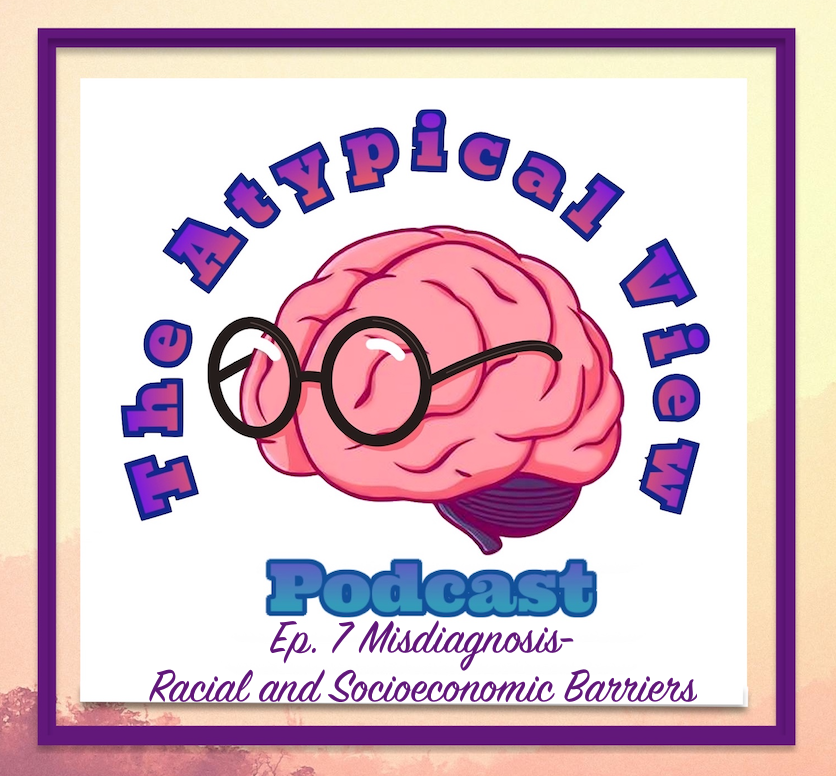
Click below for The Atypical View Podcast on this topic:
The Role of Access and Financial Barriers
Quality healthcare plays a key role in receiving an accurate diagnosis, but financial challenges create another layer of difficulty. Families with fewer resources may struggle to afford evaluations, therapy, or follow-up care. Even when services exist, they are often located in wealthier neighborhoods or require long wait times.
For many neurodiverse individuals, these barriers can mean:
- Limited access to early screening programs
- Fewer opportunities for therapy or coaching after diagnosis
- Reliance on overworked public healthcare systems that may not have specialized expertise
When combined with racial bias in medicine, these financial hurdles lead to higher rates of misdiagnosis and a lack of supportive interventions.
Cultural Differences and Expression of Traits
Culture shapes how people express emotions, communicate, and engage socially. In some cultures, for example, avoiding eye contact is a sign of respect rather than a symptom of autism. A child who prefers quiet play might be seen as polite in one community but flagged as socially withdrawn in another.
These cultural differences can cause professionals to miss key signs of neurodiversity or to interpret behaviors inaccurately. Families may also hesitate to seek a diagnosis due to stigma or fear of discrimination, which further delays access to support.
Moving Toward Equity in Diagnosis
Understanding the impact of race and socioeconomic background is essential for creating fair and inclusive diagnostic practices. Expanding research, training professionals in cultural competence, and improving access to healthcare can help close the gap.
At The Atypical View, we believe every person deserves accurate evaluation and compassionate care. By offering inclusive therapy, tailored coaching, and community resources, we aim to create spaces where all neurodiverse individuals can feel understood and supported.